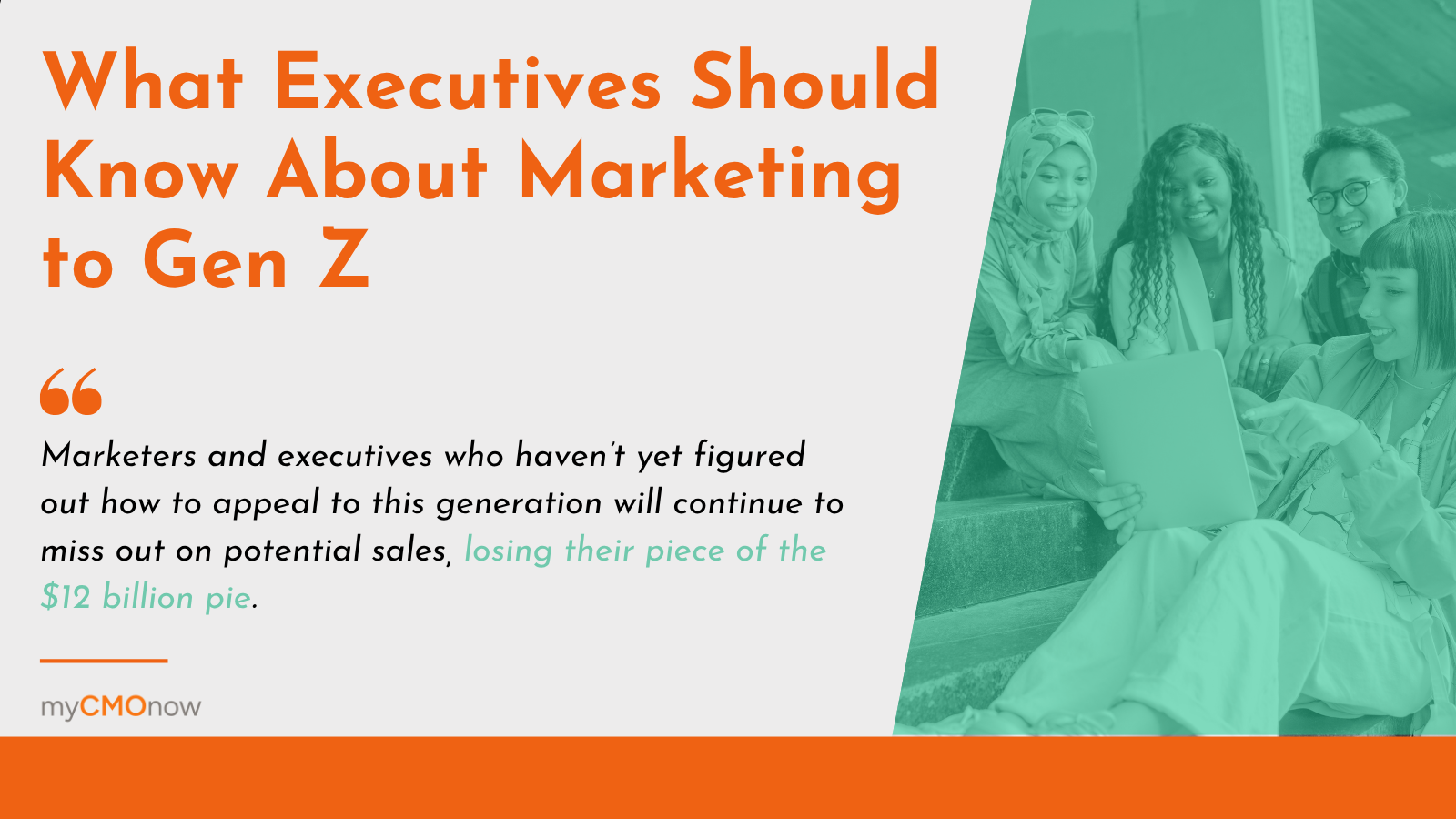
Generation Z’s spending power is expected to reach between $12 billion and $12.6 billion by 2030, the fastest purchasing power growth of any generation before.
Generation Z influences 40% of household purchases and, in B2B spaces, 67% of purchases worth $1 million or more.
Marketers and executives who haven’t yet figured out how to appeal to this generation will continue to miss out on potential sales, losing their piece of the $12 billion pie.
Here’s what you should know.
Digital-First Expectations
It probably comes as no surprise that 74% of Gen Z shoppers start their buyer’s journey by researching products online. This number increases to up to 93% for B2B purchases.
Your online presence must be more than a website. Buyers look for trust signals everywhere, from your social media profiles to verified business pages like Google and Bing.
In addition to simply existing online, you must make the purchase process as frictionless as possible. By the time a B2B buyer reaches out to the sales department, 70% of their research is complete. If you haven’t answered all their questionsby this point, they’re probably calling a competitor.
Providing an education about your products and services is just the first step. By incorporating ecommerce solutions, such as one-click buying for B2C brands and online purchase options for B2B, you remove a lot of the friction between the “need” and the “buy.”
Digital wallets or payment apps as an option help to move the sale along, too. If you aren’t using Apple Pay, Google Pay, Shop, or PayPal, you could be missing out on sales. Yes, even for B2B purchases.
If you don’t offer a first-class digital experience, your buyers will go somewhere else. This is especially true for Generation Z, with 55% saying they will switch brands for a better online shopping session.
Authenticity Over Antics
While Millennial buyers loved the polished aspirational videos that defined influencer marketing at the time, Generation Z is looking for something a little different. Raw, real, and fully transparent is what reaches this cohort. If you plan influencer marketing, look for micro- and nano-influencers with good engagement rates and honest reviews.
Other marketing tactics that work well for this age group include tutorials, user-generated content, FAQ website and social media content, and “peek behind the curtain” information that digs deeper into your company’s team members and overall values.
And when things do go wrong, whether a bad review or a public mishap, honestly address mistakes and outline the ways you’ll work to be better. “PR speak” and placing blame just don’t work with this crowd.
Shared Values Drive Purchases
People between the ages of 14 and 29 place great importance on social and environmental causes, and 64% saying they prefer brands that clearly communicate their values. If those values aren’t in alignment with their own, 47% of Generation Z buyers say it could affect their long-term loyalty.
Values-based purchasing isn’t a new concept. The Noble Edge Effect was studied more than a decade ago and determined then that goodwill could affect the perceived value of a brand’s products and services.
Gen Z, however, with their demands for authenticity and transparency, can see right through brands that aren’t genuine in their stated values, and that can have a negative effect on profits.
To sum it up, be online, be real, and be socially aware. That’s what the latest generation of buyers is looking for.
If you’d like to discuss ways to adjust your marketing strategies so you can reach the most powerful cohort of buyers so far, reach out any time. We’re here to help.